
 English



 Women
Women
 Bottom Wear
 Western Wear
 Maternity Wear
 Women's Inners
 Men's
Men's
 Men Traditional Wear
 Men Western Wear
 Men Inners

Style Longevity
Trend vs Timeless: Why Most Dresses Age Faster Than You Think
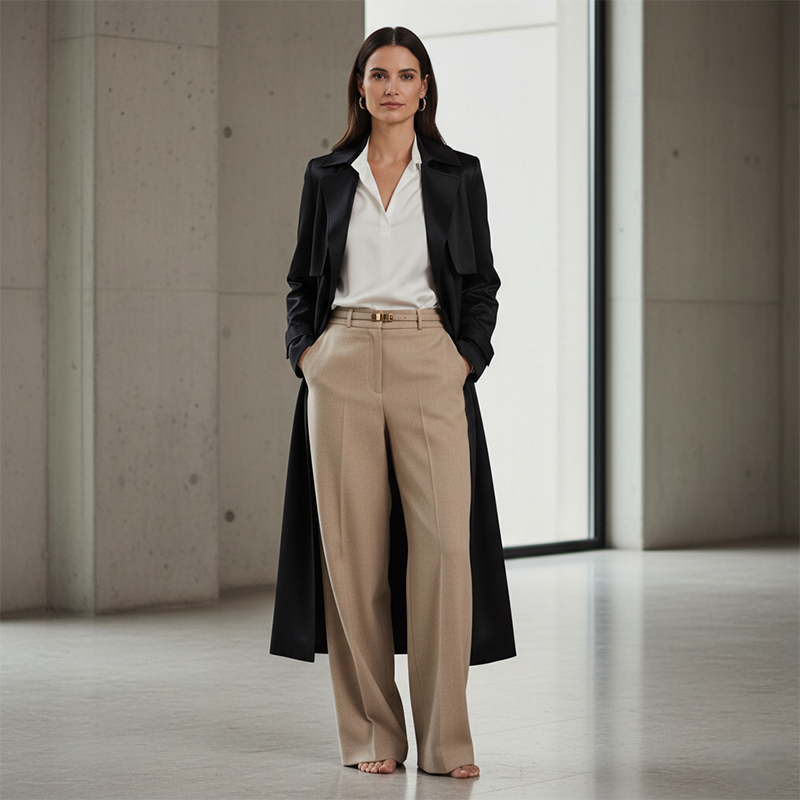
People chase trends thinking they’re staying relevant. In reality, they’re just accelerating how fast their wardrobe becomes outdated. The problem isn’t trends themselves—it’s blind dependence on them.
When it comes to men’s and women’s dresses, every choice sits somewhere between trend-driven and timeless. Most people don’t know where their outfit falls, and that’s exactly why their style feels inconsistent.
Start with trends. Trend-based dresses are designed to grab attention now, not later. They rely on current patterns, cuts, and colors that are popular for a short window. For men, this shows up in overly experimental fits, loud prints, or exaggerated silhouettes. For women, it appears in hyper-specific cuts, statement-heavy designs, or fast-changing seasonal styles. These outfits work—but only temporarily. The moment the trend fades, the dress loses its edge.
Here’s the uncomfortable truth: trends are built to expire. If your wardrobe depends on them, you’re signing up for constant replacement. That’s not style—it’s consumption.
Now look at timeless dressing. Timeless dresses don’t rely on what’s popular. They rely on what consistently works. Clean lines, balanced proportions, and controlled colors define this category. For men, it’s well-fitted shirts, structured trousers, and classic combinations that don’t need validation from current fashion cycles. For women, it’s dresses that focus on shape, fabric quality, and simplicity rather than decoration.
Timeless doesn’t mean boring. It means stable. A timeless dress looks relevant today, next year, and even five years from now. That’s because it avoids extremes. It doesn’t try too hard to stand out, but it never looks out of place.
The mistake most people make is choosing one side blindly. Some chase trends so aggressively that their wardrobe feels chaotic. Others avoid trends completely and end up looking outdated instead of timeless. Both approaches fail.
The smarter approach is controlled balance. Use trends as accents, not foundations. A trend-driven element can refresh your look, but it shouldn’t define it. For example, a man can integrate a modern cut into a classic outfit without overloading it. A woman can adopt a trending color or detail while keeping the overall structure timeless. This way, the dress stays relevant without becoming disposable.
Another factor people ignore is personal consistency. If your style changes every few months based on trends, people don’t see you as stylish—they see inconsistency. Timeless elements create a recognizable identity, while trends should only enhance it, not replace it.
Fabric and fit again play a decisive role. A trendy design with poor fit fails immediately. A timeless dress with strong structure will always outperform a trend-heavy outfit that lacks precision. Quality outlasts hype.
The bottom line is simple: trends give you short-term attention, timeless dressing gives you long-term credibility. If you rely only on trends, you’ll always be chasing relevance. If you rely only on timeless pieces, you risk becoming predictable.
The goal isn’t to pick a side—it’s to control the ratio. Build your base with timeless dresses, then layer trends carefully. That’s how you stay current without becoming disposable.
Trending Now
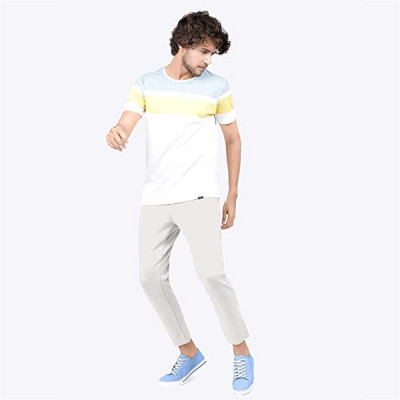
Men's Slim Fit Formal Trousers/Pant
Rs.543.00
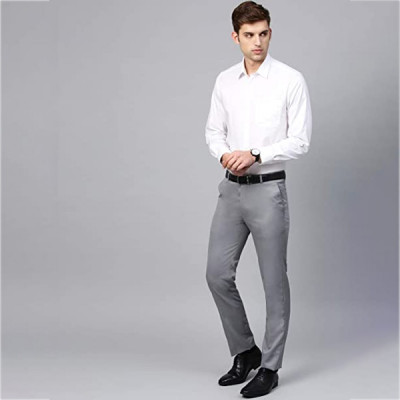
Men's Slim Fit Formal Trousers
Rs.707.00
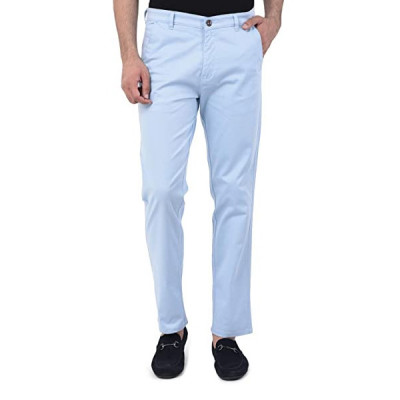
Men's Regular Fit Pants
Rs.544.00
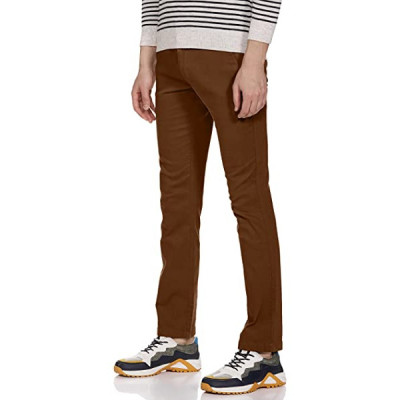
Men's Slim Casual Trouser
Rs.800.00
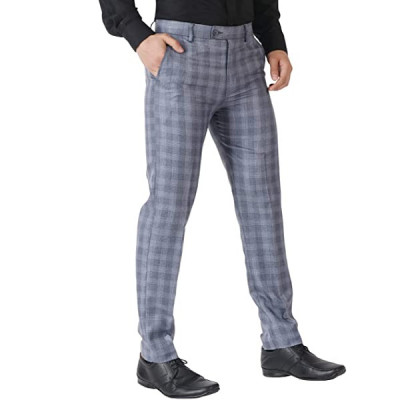
Men's Slim Fit Checkered Trouser
Rs.499.00
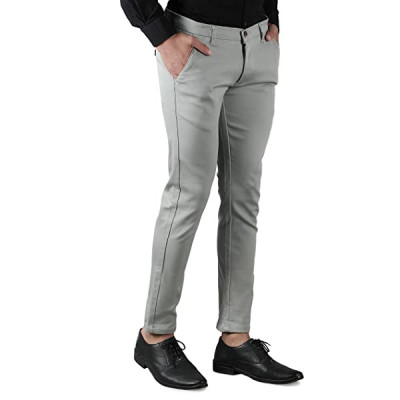
Textured Stretchable Trousers for Men
Rs.899.00
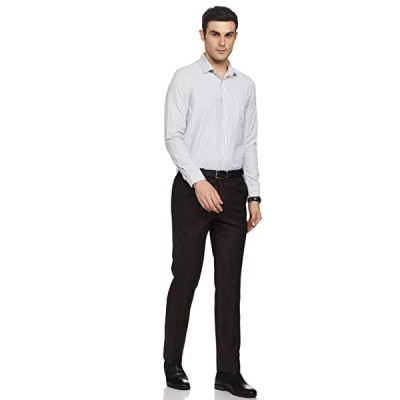
Men's Regular Pants
Rs.2,344.00