
 English



 Women
Women
 Bottom Wear
 Western Wear
 Maternity Wear
 Women's Inners
 Men's
Men's
 Men Traditional Wear
 Men Western Wear
 Men Inners

Visual Impact
The First Impression Formula: What Your Dress Says Before You Speak

First impressions are not built slowly—they’re decided in seconds. Before you say a word, your dress has already done the talking. The mistake most people make is assuming this judgment is complex. It’s not. It’s fast, visual, and brutally simple. That’s where the first impression formula comes in.
For both men and women, your dress communicates three things instantly: structure, intention, and awareness. If even one of these fails, the entire impression weakens.
Start with structure. This is non-negotiable. A well-structured dress tells people you are in control. For men, this means shirts that sit clean on the shoulders, trousers that don’t bunch, and outfits that follow the body without clinging. For women, it’s about dresses that define shape without restricting movement. Structure isn’t about tightness—it’s about precision. Loose doesn’t mean relaxed if it looks sloppy, and fitted doesn’t mean sharp if it looks forced. Most people miss this balance, and it shows immediately.
Next is intention. Your dress should clearly signal why you chose it. Random combinations kill first impressions. A man wearing a formal shirt with overly casual elements looks confused, not stylish. A woman mixing too many statement pieces loses clarity. The formula is simple: one clear direction. Either you’re going minimal, bold, elegant, or relaxed—pick one and commit. When your dress has a defined intention, people read it instantly without effort.
Then comes awareness. This is where most outfits fail. Awareness means understanding where you are and dressing accordingly. A perfectly styled dress can still fail if it doesn’t match the setting. Formal outfits in casual spaces feel excessive. Casual dresses in formal environments look careless. The impression isn’t based on the dress alone—it’s based on how well it fits the situation. Ignoring this is the fastest way to look out of place.
Color plays a supporting role, but it’s often misused. People rely on safe choices like black or white, thinking they guarantee success. They don’t. A poorly fitted black dress still looks bad. A well-structured outfit in a bold color often performs better because it feels intentional. The key is control—use color to support the message, not replace it.
Details matter more than people admit. Wrinkled fabric, mismatched tones, or worn-out materials break the illusion instantly. For men, this shows up in collars, cuffs, and fabric quality. For women, it’s in the finish of the dress, the fall of the fabric, and how clean the overall look is. These small elements decide whether your dress looks refined or careless.
The formula isn’t complicated, but it demands honesty. Most people dress based on comfort or habit, not impact. That’s why their first impression is average at best. If you want your dress to work, you need to evaluate it the way others see it—quickly and without bias. Structure. Intention. Awareness. Get these three right, and your dress does the work before you even speak. Ignore them, and no amount of confidence will fix the first impression you already lost.
Trending Now

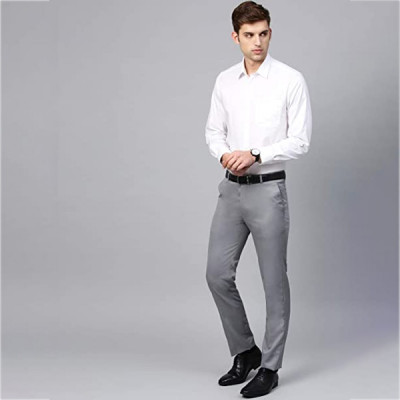
Men's Slim Fit Formal Trousers/Pant
Rs.543.00
Men's Slim Fit Formal Trousers
Rs.707.00
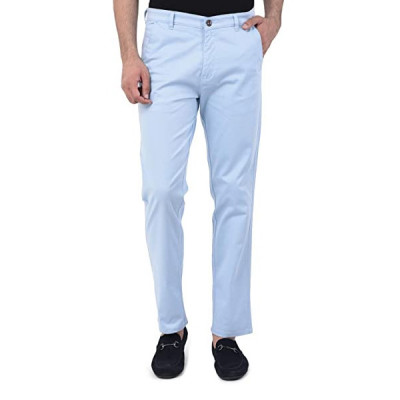
Men's Regular Fit Pants
Rs.544.00
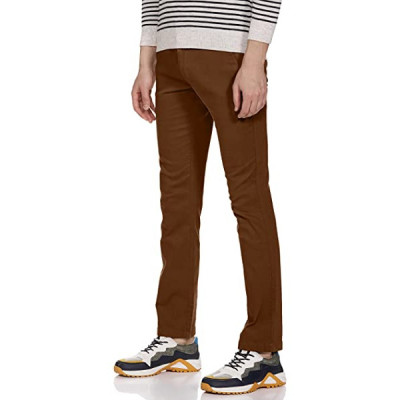
Men's Slim Casual Trouser
Rs.800.00
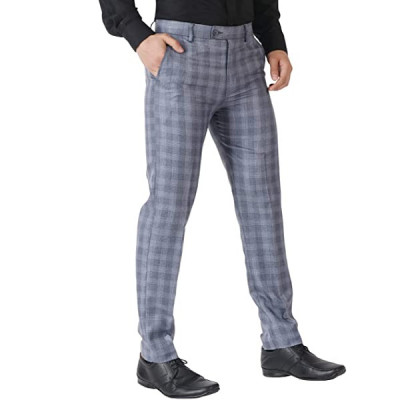
Men's Slim Fit Checkered Trouser
Rs.499.00
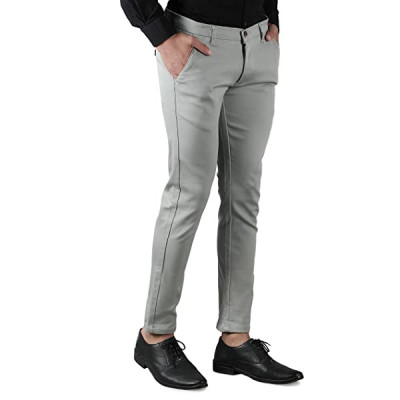
Textured Stretchable Trousers for Men
Rs.899.00
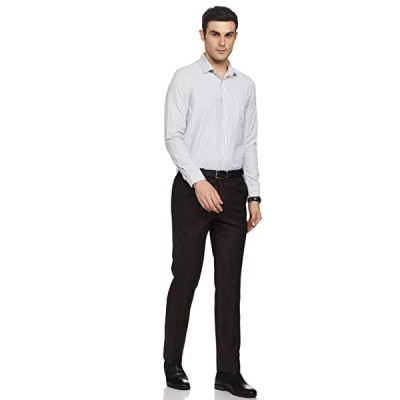
Men's Regular Pants
Rs.2,344.00